Few things are as disruptive as a noisy air conditioner, turning your peaceful home environment into a source of frustration. The constant hum, rattling, or an unexpected clanking sound can disturb your sleep, interrupt conversations, and even signal deeper issues within the system. While some gentle operational sounds are normal, a loud air conditioner often indicates a problem that, if ignored, could lead to costly repairs or even a complete system breakdown. Understanding the specific noises your unit makes is the first step toward effective troubleshooting and restoring tranquility to your home. This comprehensive guide will help you diagnose common AC noises, explore effective DIY fixes, and know when it’s time to call in the professionals to ensure your air conditioner runs quietly and efficiently.
Understanding Common Air Conditioner Noises
Every air conditioner produces some noise during operation, typically a soft hum from the motor and the whoosh of air moving through vents. However, certain distinct sounds are clear indicators that your system requires attention. Identifying these noises is crucial for pinpointing the underlying issue and preventing potential damage to your unit.
- Rattling or Vibrating: These sounds often indicate something loose within the unit. It could be anything from a screw or panel to debris caught in the fan blades or even the entire outdoor unit vibrating on an uneven surface.
- Squealing or Screeching: A high-pitched squeal usually points to issues with motor bearings or a worn-out fan belt. These components require lubrication or replacement to prevent further damage.
- Banging or Clanking: Loud banging or clanking noises are serious warning signs. They often suggest a loose or broken part within the compressor, blower assembly, or a misaligned fan blade hitting its housing.
- Hissing or Bubbling: A hissing sound might signal a refrigerant leak, especially if it comes from the indoor unit, or a leak in the ductwork. Bubbling or gurgling noises, on the other hand, frequently indicate a clog in the condensate drain line, causing water to back up.
- Buzzing: Buzzing can stem from various sources, including loose electrical connections, a failing fan motor, debris in the condenser coil, or even a minor refrigerant leak.
- Grinding: A harsh, abrasive grinding noise typically means a failing motor bearing in either the outdoor or indoor unit. This requires immediate professional attention to avoid extensive damage.
- Whistling: Often, a whistling sound is due to air rapidly escaping through small holes, such as a pinhole leak in the ductwork or a restricted airflow caused by a dirty air filter.
Diagnosing and Troubleshooting Air Conditioner Noise
When your air conditioner starts making unusual sounds, proactive diagnosis can save you from bigger problems down the line. It’s essential to approach troubleshooting safely and systematically.
Identifying the Source of the Noise
|
Our Picks for the Best Air Conditioner in 2026
As an Amazon Associate I earn from qualifying purchases.
|
||
| Num | Product | Action |
|---|---|---|
| 1 | Dreo Tower Fan for Bedroom, 2026 Upgraded DC Motor, 28ft/s High Velocity, 20dB Ultra Quiet Standing Fan, 8 Speeds 4 Modes, 90° Oscillating Bladeless Fan for Indoors, Floor Fans with Remote, Black |

|
| 2 | Windowless Portable Air Conditioners with Remote, Ventless Ac Unit Ductless Air Cooler,Hoseless Quiet Evaporative Oscillating Swamp Cooler,12H Timer & 4 Ice Box for Room Indoor Outdoor Office Bedroom |
|
| 3 | Windowless Portable Air Conditioner, 24.4" Small Evaporative Air Cooler for Room No Window, 3-Speed Settings, 4 Modes, 7H Timer, Remote Control, 4 Ice Packs, Quiet AC Unit for Bedroom, White |
|
| 4 | Evaporative Air Cooler with Remote & Timer, 2200+ CFM Portable Fan That Blows Cold Air for Large Room, Home Office, Bedroom - 2.1Gal High-Capacity Tank, 3 Modes, Whisper Quiet 30dB & Sleep Mode |
|
| 5 | SereneLife Portable Swamp Cooler Air Conditioner - 2500 CFM Airflow, 8 Gallon Water Tank Portable Evaporative Air Cooler for Room & Outdoors, WiFi, Humidifier & Fan Modes, Ice Packs & Remote Included |
|
| 6 | Dreo Tower Fan for Bedroom, 42 Inch 120° Oscillating Fan, 25dB Quiet DC Motor, 28ft/s Velocity Bladeless Standing Fan with 12 Speeds, 4 Modes, 12H Timer Cooling Fans for Home, Living Room |
|
| 7 | BLACK+DECKER Window Air Conditioner 10000 BTU, AC Window Unit Cools Up to 450 Square Feet, Window AC Unit with Remote Control, 3 Cooling Speeds and Fan Only Function, BD10WT6, White |
|
| 8 | Midea 5,000 BTU EasyCool Small Window Air Conditioner - Cool up to 150 Sq. Ft. with Easy-to-Use Mechanical Controls and Reusable Filter, Perfect for Small Bedroom, Living Room, Home Office |
|
| 9 | 24" Windowless Portable Air Conditioner, 15H Timer & 120°Oscillation, 3-IN-1 Portable AC Unit with Remote, 2-Gal Tank, 3 Modes & 3 Speeds, Ultra-Quiet Ventless Swamp Cooler for Home Office, Off |
|
| 10 | Portable Air Conditioners, 3-IN-1 Swamp Cooler, Evaporative Air Cooler,Remote & Touch Control, 90°+90° Oscillation,LED Screen, Air Coolong Fan for Outdoor Indoor |
|
Before attempting any fixes, always ensure your safety by turning off the power to your air conditioner at the thermostat and the circuit breaker. This prevents accidental startup and potential injury. Once the power is off, you can begin your inspection. Listen carefully to locate whether the noise originates from the indoor unit (air handler, furnace), the outdoor unit (condenser), or even the ductwork. Observe if the sound is constant or intermittent, and if it changes with the unit’s cycles. Checking both the indoor and outdoor components will help narrow down the possible causes.
Common Causes and DIY Solutions
Many common AC noises can be resolved with simple DIY efforts, provided you have a basic understanding of your unit and the right tools.
- Loose Parts or Debris: Vibrations over time can loosen screws, bolts, and panels, causing rattling. Debris such as leaves, twigs, or dirt can also get trapped in the outdoor unit or fan blades, leading to rattling or buzzing.
- Fix: Carefully inspect both the indoor and outdoor units. Use a screwdriver or wrench to tighten any loose screws or bolts on panels and casings. Power off the unit, then meticulously clear any visible debris from around the outdoor condenser unit and between the fan blades.
- Clogged Air Filters or Coils: A dirty or clogged air filter restricts airflow, forcing your air conditioner to work harder and generate more noise, often a whistling or humming sound. Similarly, dirty evaporator or condenser coils can impede heat exchange and increase operational strain.
- Fix: Regularly clean or replace your air filters, typically every 1-3 months depending on usage and household conditions. For dirty coils, a coil cleaner or gentle brush can remove accumulated dirt and debris. Always follow manufacturer instructions for cleaning coils.
- Unbalanced or Damaged Fan Blades: If fan blades become bent or accumulate too much dirt, they can become unbalanced, leading to a thumping or rattling noise as they spin and potentially strike the housing.
- Fix: With the power off, carefully inspect the fan blades for visible damage or excessive dirt buildup. Gently clean the blades. If a blade is bent, it might be possible to carefully re-shape it, but significant damage usually requires professional replacement to ensure balance and safety.
- Lack of Lubrication: Motor bearings and other moving parts in older units may require lubrication. A lack of lubrication can cause friction, leading to a high-pitched squealing sound.
- Fix: Consult your air conditioner’s manual to identify lubrication points and the recommended type of lubricant. Apply a few drops of motor oil (specifically designed for electric motors, not WD-40) to the ports. Be cautious not to over-lubricate.
- Ductwork Issues: Sometimes, noises like popping, banging, or whistling originate from your ductwork rather than the AC unit itself. This can be caused by loose duct joints, gaps, or the expansion and contraction of metal ducts.
- Fix: Inspect accessible ductwork for loose sections or signs of wear. Sealing gaps with mastic sealant or metallic foil tape can reduce noise and improve efficiency. For severe issues, such as improperly sized or installed ducts, professional assessment may be required.
When to Call a Professional for Air Conditioner Noise
While many minor AC noises can be addressed with simple DIY fixes, certain sounds and situations warrant immediate professional attention. Ignoring these signs can lead to more extensive and expensive repairs down the line.
You should always call a certified HVAC technician if you hear:
- Persistent Banging or Clanking: Especially if it seems to come from the compressor, as this often indicates a serious internal mechanical failure that requires specialized repair or replacement.
- Loud Screeching or Grinding: These noises suggest severe issues with motors, bearings, or the compressor itself. Continued operation could lead to catastrophic system failure.
- Consistent Hissing or Bubbling: These are strong indicators of a refrigerant leak or significant condensate drain issues. Refrigerant leaks are harmful to the environment and require licensed technicians for handling and repair.
- Electrical Buzzing or Burning Smells: Any electrical issues pose a fire hazard and should be handled by a professional. Turn off the unit immediately and do not attempt to fix it yourself.
- When DIY Attempts Fail: If you’ve tried common troubleshooting steps and the noise persists, it’s a clear sign that a deeper, more complex issue is at play that requires expert diagnosis and specialized tools.
- Refrigerant-Related Problems: Issues involving refrigerant levels, leaks, or pressure are complex and must be addressed by certified technicians due to regulatory and safety concerns.
A qualified professional can accurately diagnose the problem, perform necessary repairs safely, and ensure your system operates efficiently and quietly.
Preventive Maintenance to Keep Your Air Conditioner Quiet
Regular maintenance is not just about extending the lifespan and efficiency of your air conditioner; it’s also key to preventing disruptive noises. Proactive care ensures that components remain in optimal condition, reducing the likelihood of wear-and-tear related sounds.
Regular Cleaning and Inspection
Consistent attention to your AC unit’s cleanliness and component integrity can significantly reduce noise levels.
- Change Air Filters Regularly: This is perhaps the simplest yet most effective maintenance task. Dirty filters restrict airflow, making your unit work harder and louder. Check filters monthly and replace them every one to three months, or more frequently if you have pets or allergies.
- Keep the Outdoor Unit Clear: Regularly remove leaves, grass clippings, dirt, and other debris from around the outdoor condenser unit. Ensure at least two feet of clearance on all sides for optimal airflow and to prevent objects from interfering with the fan blades.
- Inspect Fan Blades: Periodically check the indoor blower and outdoor condenser fan blades for any bends, cracks, or excessive dirt buildup. Clean them carefully, and if you notice any damage, consider having a professional replace them.
- Clean Coils and Drain Line: Annually, clean the outdoor condenser coils and indoor evaporator coils. For the condensate drain line, flush it with a mixture of water and vinegar to prevent algae and mold growth, which can cause clogs and gurgling noises.
- Tighten Loose Components: During your inspections, gently check for any loose screws or panels. Tightening these can prevent rattling and vibrating noises.
Professional Servicing Schedules
Beyond regular DIY checks, scheduling professional maintenance is invaluable. An annual tune-up by a certified HVAC technician can catch potential noise-producing issues before they escalate.
During a professional service, technicians typically:
- Inspect and tighten all electrical connections.
- Lubricate moving parts, such as fan motors, to prevent squealing.
- Check refrigerant levels and inspect for leaks.
- Clean evaporator and condenser coils thoroughly.
- Verify the thermostat is functioning correctly.
- Ensure all components are operating within manufacturer specifications.
> “Preventive maintenance is the single most effective way to ensure your air conditioner runs quietly and efficiently, saving you from unexpected repairs and prolonged discomfort.” – Francis Kaspar, HVAC Technician with 10+ years of experience
These comprehensive checks help identify and rectify minor issues that could eventually lead to loud noises, prolonging your air conditioner’s life and maintaining its quiet operation.
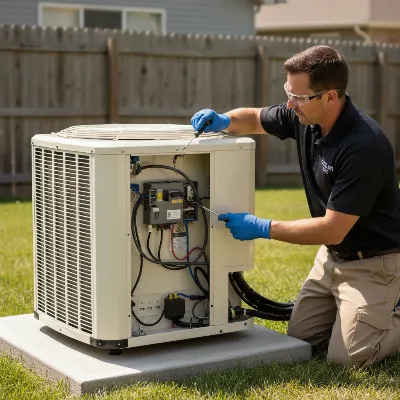 Technician inspecting a noisy air conditioner unit for troubleshooting
Comparing Common Noises and Their Solutions
Understanding what different air conditioner noises mean and what actions to take can significantly impact your comfort and the longevity of your unit. This table provides a quick reference for diagnosing and addressing the most frequent sound complaints.
| Noise Type | Probable Cause | DIY Fix | When to Call a Pro |
|---|---|---|---|
| Rattling | Loose panels, screws, debris, unbalanced fan blades | Tighten fasteners, clear debris, clean fan blades | Persistent, internal component damage, fan motor issues |
| Squealing | Worn fan belt, unlubricated motor bearings | (Limited DIY) Locate lubrication ports (if applicable) | Belt replacement, motor lubrication/replacement |
| Banging | Loose compressor part, misaligned fan blade, broken rod | Turn off unit immediately | Any internal banging, compressor issues |
| Hissing | Refrigerant leak, duct leak, high compressor pressure | Turn off unit immediately | Any hissing, especially if from refrigerant lines |
| Buzzing | Loose wiring, failing motor, debris, minor refrigerant | Clear debris, check visible connections (power off) | Electrical repairs, motor replacement, refrigerant leaks |
| Grinding | Failing motor bearing (fan or compressor) | Turn off unit immediately | All grinding noises, motor or compressor issues |
| Thumping | Unbalanced blower fan, loose internal component | (Limited DIY) Inspect blower for obstructions | Blower motor repair, fan balance/replacement |
| Whistling | Restricted airflow (dirty filter), duct leaks | Replace/clean filter, seal minor duct leaks | Extensive ductwork inspection/repair, internal blockages |
| Bubbling | Clogged condensate drain line, refrigerant leak | Clear drain line with vinegar/water | Persistent bubbling, suspected refrigerant leak |
Expert Tips for a Quieter Air Conditioner
Beyond immediate fixes, adopting certain practices can help maintain your air conditioner’s quiet operation and enhance its overall performance. Avoiding common mistakes and maximizing efficiency are crucial for a serene home environment.
Mistakes to Avoid When Dealing with AC Noise
- Ignoring Unusual Sounds: One of the biggest mistakes is dismissing persistent or new noises as “normal wear and tear.” Early detection of unusual sounds can prevent minor issues from escalating into major, costly breakdowns.
- Attempting Complex Repairs Without Expertise: While some DIY fixes are straightforward, attempting repairs involving electrical components, refrigerant lines, or major internal parts without proper training and tools can be dangerous and cause further damage.
- Neglecting Regular Maintenance: Skipping annual tune-ups and routine cleaning (like filter changes) allows problems to accumulate, inevitably leading to louder operation and reduced efficiency. Regular maintenance is a proactive defense against noise.
- Over-tightening Components: When tightening loose screws or bolts, avoid over-tightening, as this can strip threads or damage components, potentially creating new noise sources or more severe issues.
Maximizing Your AC’s Quiet Operation
- Ensure Proper Installation: If installing a new unit or relocating an existing one, ensure it’s placed on a firm, level surface, such as a concrete pad. An uneven base can cause the outdoor unit to vibrate excessively.
- Consider Sound Dampening: For outdoor units, you can place noise-reducing pads underneath or construct a sound barrier or fence around the unit. Ensure the barrier does not obstruct airflow, which is vital for the unit’s efficiency.
- Insulate Ductwork: Properly insulated ductwork not only enhances energy efficiency but also helps to muffle airflow noises, especially in older or metallic duct systems. Flexible duct connectors can also reduce vibration transfer.
- Maintain Clearances: Keep the area around both indoor and outdoor units free from obstructions. This ensures proper airflow, which is critical for efficient and quiet operation.
- Regular Professional Checks: An annual professional tune-up can identify and address minor issues like loose parts, low refrigerant, or motor wear before they become significant noise problems.
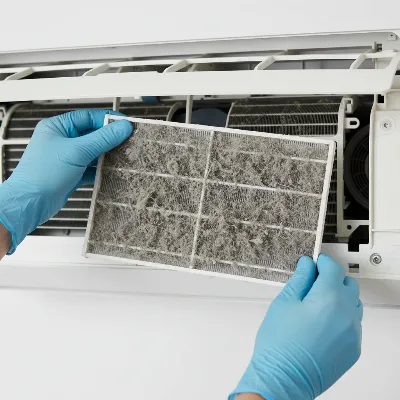 Hands cleaning a dirty air filter inside an air conditioner unit to reduce noise
Conclusion
A noisy air conditioner is more than just an annoyance; it’s a clear signal that your system needs attention. By learning to identify the specific sounds your unit makes, you empower yourself to diagnose potential problems, from loose components and debris to more serious issues like motor failure or refrigerant leaks. While many minor noises can be resolved with simple DIY efforts and consistent preventive maintenance, knowing when to call a professional is paramount for safety and effective repair. Regular cleaning, timely filter replacements, and annual professional check-ups are your best defense against a noisy AC, ensuring your home remains a cool, comfortable, and quiet sanctuary. Don’t let a noisy air conditioner disrupt your peace; take action to address the problem promptly and effectively. What steps will you take today to ensure your air conditioner runs silently?
Câu Hỏi Thường Gặp
Is some noise from an Air Conditioner normal?
Yes, some noise from an air conditioner is entirely normal. You should typically hear a gentle hum from the motor and a soft whooshing sound as air circulates through the system. These subtle sounds indicate that your unit is functioning as expected. It’s when these noises become noticeably louder, change in character, or present as unusual sounds like banging or screeching that attention is warranted.
What does a loud Air Conditioner compressor sound like?
A loud air conditioner compressor can emit various concerning sounds. These might include a persistent banging or clanking if internal parts are loose or broken, a high-pitched screeching indicating dangerously high pressure or a failing motor, or a deep grinding sound signaling worn-out bearings. Any of these noises from the compressor unit should prompt immediate shutdown and professional inspection.
Can a dirty air filter cause an Air Conditioner to be loud?
Absolutely. A dirty or clogged air filter severely restricts airflow through your air conditioner. This forces the unit to work much harder to pull air, often resulting in increased noise levels such as a loud hum, whistling, or groaning sound. Regularly replacing or cleaning your air filter is a simple yet effective way to maintain quiet operation and efficiency.
When should I call a professional for Air Conditioner noise?
You should call a professional for air conditioner noise if you hear serious sounds like banging from the compressor, persistent grinding or screeching, or any signs of refrigerant leaks (hissing/bubbling). Additionally, if DIY troubleshooting doesn’t resolve the noise, or if you suspect electrical issues, it’s safest to consult a certified HVAC technician to diagnose and repair the problem safely.
How often should I clean my Air Conditioner unit to prevent noise?
To prevent noise and maintain efficiency, you should clean your air conditioner unit regularly. Replace or clean air filters monthly during peak use. The outdoor condenser unit should be inspected and cleaned of debris annually, ensuring two feet of clearance. Indoor evaporator coils and condensate drain lines should also be cleaned annually, ideally by a professional during a routine tune-up.
