Few things are as unwelcome as turning on your air conditioner only to be greeted by a foul, musty odor instead of crisp, cool air. A smelly air conditioner filter doesn’t just make your home unpleasant; it can also signal underlying issues that affect your indoor air quality and the efficiency of your unit. Understanding how to properly clean a smelly air conditioner filter at home is a simple yet crucial maintenance task that can restore freshness, improve air circulation, and potentially extend the lifespan of your AC system. This comprehensive guide will walk you through the causes of these unpleasant smells, the necessary preparations, a step-by-step cleaning process, and tips for preventing future odors, ensuring your home remains a sanctuary of clean, comfortable air.
What Makes Your Air Conditioner Filter Smell?
A functioning air conditioner filter should primarily trap airborne particles, not emit unpleasant smells. When your air conditioner begins to produce a noticeable odor, it’s a clear indication that pollutants are present and accumulating within your system. Addressing these smells promptly is essential for both comfort and health.
Common Culprits Behind AC Odors
The most frequent causes of a smelly air conditioner filter typically revolve around accumulated debris and moisture, creating an ideal breeding ground for odor-producing elements.
- Mold and Mildew Growth: This is arguably the leading cause of musty or “dirty sock” smells emanating from your AC. Excess moisture trapped within the filter, evaporator coils, or drain pan creates a perfect environment for mold and mildew to thrive. These fungi release volatile organic compounds (VOCs) that become airborne and circulate throughout your home.
- Accumulated Dust, Dirt, and Pet Dander: Air filters are designed to capture dust, pollen, pet dander, and other airborne particles. Over time, as these contaminants build up, they can emit their own odors, especially when exposed to humidity. A heavily clogged filter can also restrict airflow, forcing your AC to work harder and potentially leading to more moisture buildup.
- Moisture and Humidity Issues: High humidity levels in your home can exacerbate mold and mildew growth within your AC system, contributing to a persistent musty smell. If the condensate drain line, which removes excess moisture, becomes clogged, water can stagnate and produce foul odors.
|
Our Picks for the Best Air Conditioner in 2026
As an Amazon Associate I earn from qualifying purchases.
|
||
| Num | Product | Action |
|---|---|---|
| 1 | 24" Windowless Portable Air Conditioner, 15H Timer & 120°Oscillation, 3-IN-1 Portable AC Unit with Remote, 2-Gal Tank, 3 Modes & 3 Speeds, Ultra-Quiet Ventless Swamp Cooler for Home Office, Off |

|
| 2 | BLACK+DECKER Window Air Conditioner 10000 BTU, AC Window Unit Cools Up to 450 Square Feet, Window AC Unit with Remote Control, 3 Cooling Speeds and Fan Only Function, BD10WT6, White |
|
| 3 | Portable Air Conditioners, 3-IN-1 Swamp Cooler, Evaporative Air Cooler,Remote & Touch Control, 90°+90° Oscillation,LED Screen, Air Coolong Fan for Outdoor Indoor |
|
| 4 | Dreo Tower Fan for Bedroom, 2026 Upgraded DC Motor, 28ft/s High Velocity, 20dB Ultra Quiet Standing Fan, 8 Speeds 4 Modes, 90° Oscillating Bladeless Fan for Indoors, Floor Fans with Remote, Black |
|
| 5 | SereneLife Portable Swamp Cooler Air Conditioner - 2500 CFM Airflow, 8 Gallon Water Tank Portable Evaporative Air Cooler for Room & Outdoors, WiFi, Humidifier & Fan Modes, Ice Packs & Remote Included |
|
| 6 | Dreo Tower Fan for Bedroom, 42 Inch 120° Oscillating Fan, 25dB Quiet DC Motor, 28ft/s Velocity Bladeless Standing Fan with 12 Speeds, 4 Modes, 12H Timer Cooling Fans for Home, Living Room |
|
| 7 | Windowless Portable Air Conditioners with Remote, Ventless Ac Unit Ductless Air Cooler,Hoseless Quiet Evaporative Oscillating Swamp Cooler,12H Timer & 4 Ice Box for Room Indoor Outdoor Office Bedroom |
|
| 8 | Windowless Portable Air Conditioner, 24.4" Small Evaporative Air Cooler for Room No Window, 3-Speed Settings, 4 Modes, 7H Timer, Remote Control, 4 Ice Packs, Quiet AC Unit for Bedroom, White |
|
| 9 | Midea 5,000 BTU EasyCool Small Window Air Conditioner - Cool up to 150 Sq. Ft. with Easy-to-Use Mechanical Controls and Reusable Filter, Perfect for Small Bedroom, Living Room, Home Office |
|
| 10 | Evaporative Air Cooler with Remote & Timer, 2200+ CFM Portable Fan That Blows Cold Air for Large Room, Home Office, Bedroom - 2.1Gal High-Capacity Tank, 3 Modes, Whisper Quiet 30dB & Sleep Mode |
|
Why a Smelly Filter Matters for Indoor Air Quality
Beyond being a nuisance, a smelly air conditioner filter can significantly compromise your indoor air quality. Pollutants such as mold spores, dust, and pet dander can trigger or worsen conditions like asthma, allergies, and other respiratory issues, leading to symptoms such as sneezing, coughing, and breathing difficulties. A clogged and smelly filter also forces your HVAC system to work harder, reducing efficiency, increasing energy consumption, and potentially leading to premature system failure. Ignoring these odors is not just unpleasant; it’s a risk to both your health and your AC unit’s longevity.
Preparing to Clean Your Smelly Air Conditioner Filter
Before you begin the cleaning process, a few essential preparatory steps will ensure your safety and the effectiveness of your efforts. Taking the time to gather the right tools and secure your workspace is key.
Safety First: Disconnecting Power
The most critical step before touching any part of your air conditioning unit is to ensure it is completely powered off. Always turn off the AC unit at the thermostat and, crucially, unplug it from the power outlet or switch off the circuit breaker that supplies power to the unit. This prevents accidental activation, which could lead to electrical shocks or damage to the unit. Safety should always be your top priority when working with electrical appliances.
Essential Cleaning Supplies You’ll Need
Having your cleaning supplies ready beforehand will make the process smooth and efficient. You likely already have most of these items around your home.
- Vacuum cleaner with brush attachment: For removing loose dust and debris.
- Mild dish soap or detergent: Effective for general grime and odors.
- White vinegar (optional): A natural disinfectant, particularly good for mold and mildew.
- Spray bottle: Useful for applying cleaning solutions.
- Soft brush or sponge: For gentle scrubbing without damaging the filter material.
- Clean towels or old sheets: To protect your flooring and for drying the filter.
- Gloves (optional): To protect your hands during cleaning.
Step-by-Step Guide: Cleaning Your Smelly AC Filter at Home
Cleaning your air conditioner filter at home is a straightforward process that can significantly improve your indoor air quality and eliminate unpleasant odors. Follow these steps carefully to ensure a thorough and safe clean.
Removing the Air Conditioner Filter Safely
Once the power is disconnected, locate your AC filter. Filters are typically found behind the front panel of the indoor unit or in a designated slot along the side, bottom, or top of the unit. Gently slide or pop the filter out. If it feels stubborn, consult your unit’s manual to avoid damaging the filter or the AC unit itself. Avoid forcing the filter, as bending or tearing it can reduce its effectiveness. If possible, take the filter outside to prevent dust from resettling in your living space.
Initial Dry Cleaning: Vacuuming Away Loose Debris
Before any wet cleaning, it’s best to remove as much dry dust and debris as possible. Use a vacuum cleaner with a soft brush attachment to gently go over both sides of the filter. The soft brush helps to loosen embedded particles without harming the filter’s mesh or fibers. Move the vacuum slowly and gently, paying extra attention to corners and edges where buildup often hides. For any stubborn dust, you can lightly tap the filter against a hard surface (like the side of a trash can) to dislodge additional debris.
Deep Cleaning Your Filter: Washing with Soap and Water
For a truly effective clean, especially when dealing with odors, a wet wash is often necessary for reusable filters.
- Soaking Options: For general grime, you can rinse the filter under lukewarm running water. For a deeper clean and to tackle mold or mildew, soak the filter in a basin with warm water and a mild dish detergent for about 10-15 minutes. Alternatively, a solution of equal parts white vinegar and warm water can be highly effective, soaking the filter for 30-60 minutes to dissolve dust, mold, and grime naturally.
- Gentle Scrubbing Techniques: After soaking, use a soft brush or sponge to gently scrub both sides of the filter, focusing on any heavily soiled areas. Avoid harsh scrubbing that could damage the filter material. It’s important to never use hot water or harsh chemicals like bleach, as these can degrade the filter material and release dangerous fumes [2, 5, cite: 5, Reddit].
Thorough Rinsing to Remove All Residue
After washing, thoroughly rinse the filter under cool tap water until all traces of soap, detergent, or vinegar are gone. Residual cleaning agents can not only leave a lingering smell but may also attract more dirt or even damage the AC unit’s internal components over time. Ensure the water runs clear from both sides of the filter.
Crucial Step: Complete Drying to Prevent Future Odors
This step is perhaps the most critical for preventing the recurrence of musty odors. You must allow the air conditioner filter to air dry completely before reinstalling it. Place the filter upright or lay it flat on a clean towel in a well-ventilated area, away from direct sunlight, which could warp or damage the material. Do not put the filter back into the AC unit while it is still damp, as any remaining moisture will create an immediate breeding ground for mold and mildew, undoing all your hard work. This can take several hours, so plan accordingly.
Reinstalling the Clean Filter and Restoring Power
Once the filter is thoroughly dry, carefully slide it back into its designated slot in the AC unit. Ensure it is properly aligned and securely in place. Close any panels or covers, then restore power to your air conditioner at the outlet or circuit breaker. Turn your unit on and monitor its performance to ensure proper airflow and that the unpleasant odor has been eliminated.
DIY Cleaning Solutions Compared for Air Conditioner Filters
Choosing the right cleaning solution can make a difference in how effectively you remove odors and ensure the longevity of your air conditioner filter. Here’s a comparison of common DIY solutions:
| Solution | Effectiveness for Odor Removal | Pros | Cons |
|---|---|---|---|
| Mild Dish Soap | Good for general dust, grease, and light odors | Readily available, inexpensive, gentle on most filter materials. | May not fully disinfect or remove stubborn mold/mildew. |
| White Vinegar | Excellent for disinfecting and breaking down mold, mildew, and musty odors. | Natural, non-toxic disinfectant; helps dissolve grime. | Strong, temporary vinegar smell requiring thorough rinsing; can potentially damage some plastics if left for too long. |
| Baking Soda Paste | Effective for absorbing odors and providing gentle abrasive cleaning. | Natural odor absorber; can be used for targeted scrubbing. | More effort to apply and scrub; can be messy and leave residue if not rinsed properly. |
| Commercial AC Filter Cleaner | Specifically formulated to clean and deodorize AC filters. | Designed for AC systems; some offer anti-microbial properties. | Can be more costly; may contain harsh chemicals, requiring careful handling and ventilation; specific product instructions vary. |
> “Regular filter maintenance, whether it’s a simple rinse or a deeper clean with a natural solution like vinegar, is your front line of defense against unpleasant AC smells. Always prioritize thorough drying to prevent moisture from becoming a new breeding ground for odors.” – Dr. Emily R. Carter, Environmental Health Specialist
Beyond the Filter: Preventing and Addressing Persistent Air Conditioner Smells
While cleaning your air conditioner filter is a vital step, sometimes odors persist or originate from other parts of your AC system. Comprehensive maintenance and knowing when to seek professional help are crucial for long-term freshness and air quality.
Regular Maintenance Practices for a Fresh AC
Consistent upkeep is the best defense against a smelly air conditioner. Regular habits can keep your unit running efficiently and odor-free.
- Frequency of Cleaning/Replacement: Clean reusable filters monthly, especially during heavy usage seasons. Disposable filters should be replaced every 1 to 3 months, or more frequently if you have pets, allergies, or live in a dusty environment.
- Controlling Indoor Humidity: High humidity encourages mold and mildew growth. Use a dehumidifier in particularly damp areas of your home. Running your AC fan on the “auto” setting (rather than “on”) allows the evaporator coils to properly drain, reducing moisture buildup.
- Ensuring Proper Ventilation: Make sure that no furniture, curtains, or other obstructions are blocking your AC vents, which can restrict airflow and trap moisture [4, Hitachi]. Good air circulation throughout your home helps prevent stale air and humidity.
When to Call a Professional for Air Conditioner Odors
Sometimes, a smelly air conditioner indicates a problem beyond what a simple filter cleaning can fix. Knowing when to call in an HVAC professional can save you from more significant issues and ensure your system is properly diagnosed.
- Persistent Smells After Filter Cleaning: If the musty smell lingers even after you’ve thoroughly cleaned or replaced the filter, it suggests the odor source is deeper within the system, such as on the evaporator coils, in the drain pan, or within the ductwork.
- Visible Mold Growth Beyond the Filter: If you spot black or green mold spots on the coils, in the drain pan, or around the vents, it’s time to call an expert. Mold in these areas requires specialized cleaning and treatment to prevent its spread and ensure healthy air.
- Specific Smells: Be particularly vigilant for certain odors:
- Burning Smell: This indicates an electrical issue, such as overheating wiring or a failing motor. Turn off the unit immediately and call a professional.
- Rotten Egg Smell: This could signal a natural gas leak, especially if your HVAC system is connected to a gas furnace. Evacuate your home and contact emergency services immediately.
- Chemical/Sweet Smell: This often points to a refrigerant leak, which can be harmful and impacts your AC’s cooling efficiency.
- Clogged Drain Lines or Dirty Coils: While some DIY methods exist for drain lines, severe clogs or heavily soiled evaporator coils are best handled by professionals who have the right tools and expertise for a thorough and safe clean.
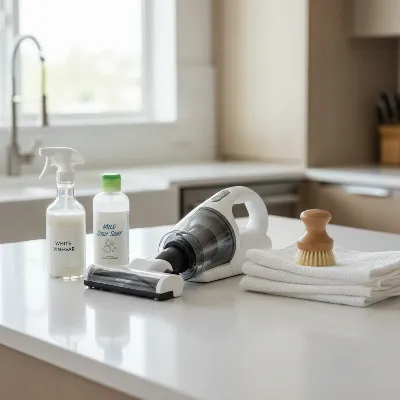 Tools for cleaning a smelly air conditioner filter, including vacuum, brush, spray bottle, and towels
Expert Insight for Long-Term Air Quality
For comprehensive air quality and system longevity, annual professional maintenance is highly recommended. Technicians can perform deep cleaning of internal components, inspect for leaks, ensure proper drainage, and address any potential issues before they become major problems. This not only keeps your AC smelling fresh but also optimizes its performance and energy efficiency.
Conclusion
A smelly air conditioner filter is more than just an annoyance; it’s a clear signal that your AC system needs attention. By understanding the common causes, meticulously following our step-by-step cleaning guide, and implementing regular maintenance practices, you can effectively eliminate unpleasant odors and ensure your home is filled with fresh, clean air. Consistent upkeep, including timely filter cleaning and controlling indoor humidity, plays a crucial role in preventing the recurrence of musty smells and optimizing your AC’s performance. Remember, a clean air conditioner filter not only improves your comfort but also safeguards your indoor air quality and helps extend the life of your valuable cooling system. Don’t let a foul odor diminish your home comfort—take action today to enjoy the benefits of a truly fresh AC.
What steps will you take this week to ensure your air conditioner filter is spotless and your indoor air is pristine?
Frequently Asked Questions
How often should I clean my air conditioner filter?
For reusable air conditioner filters, it’s recommended to clean them monthly, especially during peak usage seasons. If you have pets, allergies, or live in a dusty environment, you might need to clean them more frequently. Disposable filters should typically be replaced every 1 to 3 months, depending on usage and manufacturer guidelines.
Can a dirty air conditioner filter affect my health?
Yes, a dirty air conditioner filter can significantly affect your health. Clogged filters can trap and circulate allergens like dust, pollen, pet dander, mold spores, and bacteria, worsening allergies, asthma, and other respiratory issues. Poor indoor air quality can lead to symptoms such as sneezing, coughing, and breathing difficulties.
Is it safe to use bleach to clean an AC filter?
It is generally not recommended to use bleach or other harsh chemicals to clean your AC filter. Bleach can damage the filter material, reducing its effectiveness, and the fumes can be dangerous to breathe, especially when circulated by the AC system. Mild dish soap or a white vinegar solution are safer and effective alternatives [2, 5, cite: 5, Reddit].
What if my air conditioner still smells bad after cleaning the filter?
If the smell persists after thoroughly cleaning or replacing your air conditioner filter, it indicates that the odor source is likely elsewhere within your AC system. Common culprits include mold growth on the evaporator coils, a clogged condensate drain line, or issues within the ductwork. In such cases, it’s advisable to contact a professional HVAC technician for a thorough inspection and specialized cleaning.
Can I clean a disposable air conditioner filter?
No, disposable air conditioner filters are designed for one-time use and cannot be effectively cleaned. Attempting to wash them can damage their delicate fibers and pleated structure, making them ineffective at filtering air. Disposable filters should be replaced with a new one according to the manufacturer’s recommendations.
