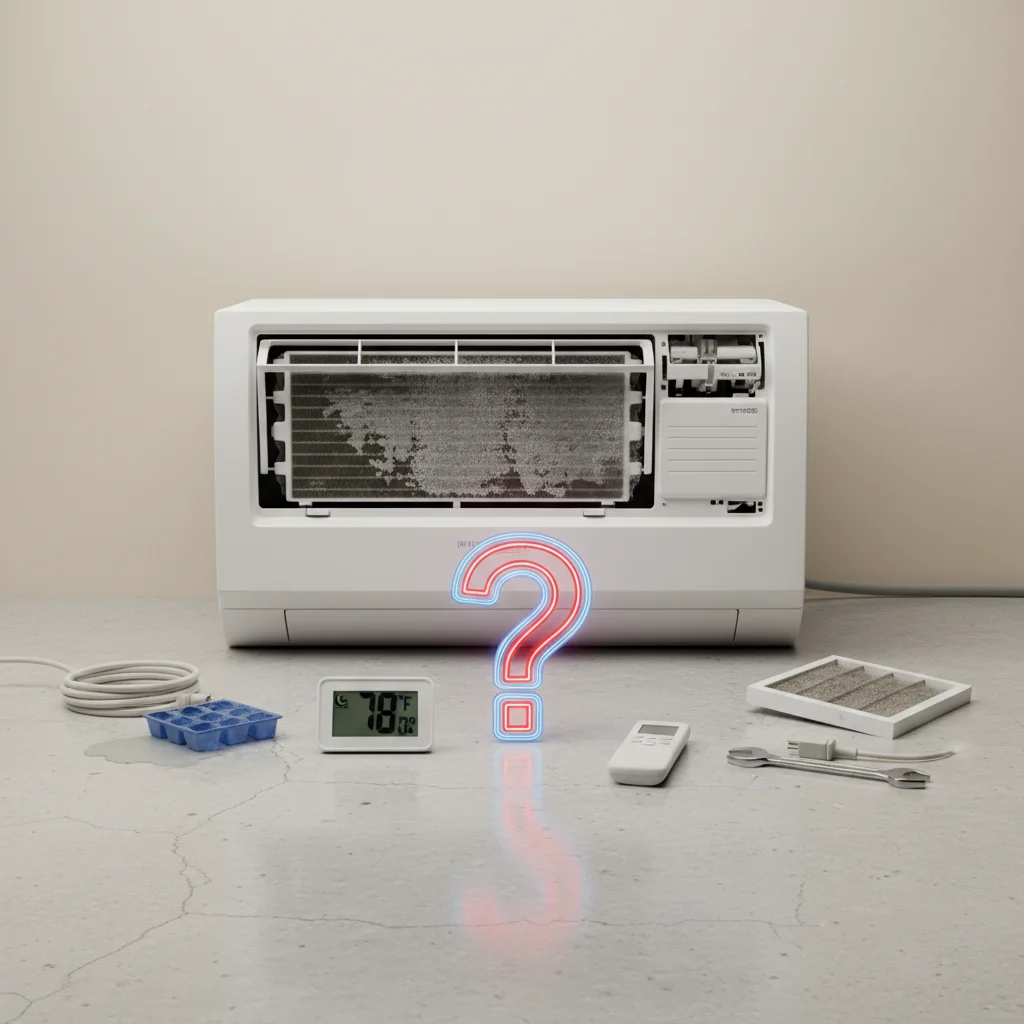
If your air conditioner isn’t cooling effectively at night, there are typically five common reasons for this issue, ranging from simple thermostat settings to more complex mechanical problems. Understanding these causes can help you troubleshoot the problem and restore comfortable nighttime temperatures.
Thermostat Settings and Programming
One of the most frequent culprits for an AC not cooling at night is incorrect thermostat settings. Many people program their thermostats to a higher temperature during sleeping hours to save energy, or they might have a ‘sleep mode’ activated that gradually raises the temperature. Double-check your thermostat’s schedule and ensure it’s set to your desired cooling temperature for the nighttime hours. Sometimes, a simple adjustment here can resolve the issue immediately. For best home air roundups on this site.
Dirty Air Filters Restricting Airflow
A dirty air filter is a common cause of reduced cooling efficiency at any time, but it can become more noticeable at night when you expect consistent comfort. A clogged filter restricts airflow over the evaporator coil, preventing the system from properly absorbing heat from your home’s air. This leads to the unit working harder without achieving the desired temperature. It’s recommended to check and replace your air filter every 1-3 months, especially during peak cooling seasons.
Refrigerant Leaks and Low Levels
Refrigerant is the substance that absorbs heat from your indoor air and releases it outside. If your air conditioner has a refrigerant leak, the system will have insufficient refrigerant to cool your home effectively. This often manifests as the AC running continuously but blowing warm or only slightly cool air. A professional HVAC technician is required to detect and repair refrigerant leaks and recharge the system. This is not a DIY fix due to the specialized equipment and environmental regulations involved.
Condenser Unit Issues Outdoors
|
Our Picks for the Best Air Conditioner in 2026
As an Amazon Associate I earn from qualifying purchases.
|
||
| Num | Product | Action |
|---|---|---|
| 1 | 24" Windowless Portable Air Conditioner, 15H Timer & 120°Oscillation, 3-IN-1 Portable AC Unit with Remote, 2-Gal Tank, 3 Modes & 3 Speeds, Ultra-Quiet Ventless Swamp Cooler for Home Office, Off |

|
| 2 | BLACK+DECKER Window Air Conditioner 10000 BTU, AC Window Unit Cools Up to 450 Square Feet, Window AC Unit with Remote Control, 3 Cooling Speeds and Fan Only Function, BD10WT6, White |
|
| 3 | Windowless Portable Air Conditioners with Remote, Ventless Ac Unit Ductless Air Cooler,Hoseless Quiet Evaporative Oscillating Swamp Cooler,12H Timer & 4 Ice Box for Room Indoor Outdoor Office Bedroom |
|
| 4 | Dreo Tower Fan for Bedroom, 42 Inch 120° Oscillating Fan, 25dB Quiet DC Motor, 28ft/s Velocity Bladeless Standing Fan with 12 Speeds, 4 Modes, 12H Timer Cooling Fans for Home, Living Room |
|
| 5 | Midea 5,000 BTU EasyCool Small Window Air Conditioner - Cool up to 150 Sq. Ft. with Easy-to-Use Mechanical Controls and Reusable Filter, Perfect for Small Bedroom, Living Room, Home Office |
|
| 6 | Evaporative Air Cooler with Remote & Timer, 2200+ CFM Portable Fan That Blows Cold Air for Large Room, Home Office, Bedroom - 2.1Gal High-Capacity Tank, 3 Modes, Whisper Quiet 30dB & Sleep Mode |
|
| 7 | SereneLife Portable Swamp Cooler Air Conditioner - 2500 CFM Airflow, 8 Gallon Water Tank Portable Evaporative Air Cooler for Room & Outdoors, WiFi, Humidifier & Fan Modes, Ice Packs & Remote Included |
|
| 8 | Portable Air Conditioners, 3-IN-1 Swamp Cooler, Evaporative Air Cooler,Remote & Touch Control, 90°+90° Oscillation,LED Screen, Air Coolong Fan for Outdoor Indoor |
|
| 9 | Dreo Tower Fan for Bedroom, 2026 Upgraded DC Motor, 28ft/s High Velocity, 20dB Ultra Quiet Standing Fan, 8 Speeds 4 Modes, 90° Oscillating Bladeless Fan for Indoors, Floor Fans with Remote, Black |
|
| 10 | Windowless Portable Air Conditioner, 24.4" Small Evaporative Air Cooler for Room No Window, 3-Speed Settings, 4 Modes, 7H Timer, Remote Control, 4 Ice Packs, Quiet AC Unit for Bedroom, White |
|
The outdoor condenser unit is responsible for releasing the heat absorbed from your home. If this unit is obstructed or malfunctioning, it can severely impact your AC’s ability to cool. Common issues include a dirty coil, which can be covered in leaves, dirt, or debris, preventing proper heat dissipation. Ensure the area around your condenser is clear of obstructions for at least two feet in all directions. A malfunctioning condenser fan or compressor can also lead to poor cooling, requiring professional diagnosis and repair.
Undersized or Aging AC Unit
An air conditioner that is too small for your home’s square footage will struggle to maintain comfortable temperatures, especially during warmer nights. While it might manage during cooler parts of the day, it will be overworked and inefficient when demand is higher. Similarly, an aging AC unit, typically over 10-15 years old, may simply not have the efficiency or capacity it once did. Components wear out, and overall performance degrades over time. If your unit is old and constantly struggling, it might be time to consider a replacement.
- Check your thermostat settings for nighttime schedules.
- Inspect and replace dirty air filters regularly.
- Clear debris from around the outdoor condenser unit.
- Listen for unusual noises from the AC system.
- Consider professional inspection for refrigerant leaks or aging components.
Professional Diagnosis and Repair
While some issues like dirty filters or incorrect thermostat settings can be addressed by homeowners, more complex problems such as refrigerant leaks, compressor failures, or fan motor issues require the expertise of a certified HVAC technician. Attempting to repair these components without proper training and tools can be dangerous and may void your warranty. If you’ve checked the basic troubleshooting steps and your AC is still not cooling at night, it’s best to call a professional for a thorough diagnosis and repair.
Get our weekly buyer guide
Practical specs, not advice. Unsubscribe anytime.
