An air conditioner leaking water inside your home typically indicates an underlying issue with the unit’s drainage system or cooling process. The most common causes include a clogged condensate drain line, a dirty air filter leading to frozen evaporator coils, a damaged drain pan, low refrigerant levels, improper installation, or a malfunctioning condensate pump. Addressing these issues promptly can prevent significant water damage and maintain your AC’s efficiency.
Understanding Air Conditioner Leaks
Your air conditioner maintains indoor comfort by cooling the air and removing excess humidity. As warm, humid air passes over the cold evaporator coils, moisture condenses into water droplets. This condensation is collected in a drain pan beneath the evaporator coil and channeled away from your home through a condensate drain line. When this process is disrupted, water can overflow from the drain pan or escape elsewhere, resulting in an unwelcome leak inside your home. A properly functioning AC should never visibly leak water indoors.
Primary Reasons for Air Conditioner Water Leaks
Several common issues can cause your air conditioner to leak water. Identifying the specific problem can help determine whether it’s a simple DIY fix or requires professional intervention. For browse all home air articles on this site.
Clogged Condensate Drain Line
A clogged condensate drain line is arguably the most common reason for indoor AC leaks. Over time, a buildup of algae, mold, dirt, and debris can obstruct this PVC pipe, preventing condensed water from draining away. When the drain line is blocked, water backs up into the drain pan and eventually overflows, causing water to spill into your home.
You might notice standing water around your indoor unit or a musty, moldy smell emanating from your AC vents. Reduced cooling efficiency can also be a symptom, as the system struggles with excessive moisture. Clearing a clogged drain line often involves using a wet/dry vacuum to suction out the blockage from the outdoor end of the line, or flushing it with a mixture of vinegar and water to dissolve biological growth. Regular cleaning can help prevent future clogs.
Dirty Air Filter Leading to Frozen Coils
A neglected air filter can severely restrict airflow over the evaporator coil. When airflow is insufficient, the refrigerant within the coil gets too cold, causing ice to form on the coil surface. As this ice melts, particularly during the AC’s off cycle, the volume of meltwater can overwhelm the drain pan and drain line, leading to an overflow and subsequent leak.
Signs of frozen coils include reduced airflow from vents, the AC struggling to cool the house, and visible frost or ice on the indoor unit’s coil or refrigerant lines. A heavily soiled air filter, which appears dark and impenetrable when held up to a light source, is a clear indicator. Regularly replacing your air filter every one to three months, or more frequently if you have pets or allergies, is a simple yet effective preventive measure against frozen coils and leaks.
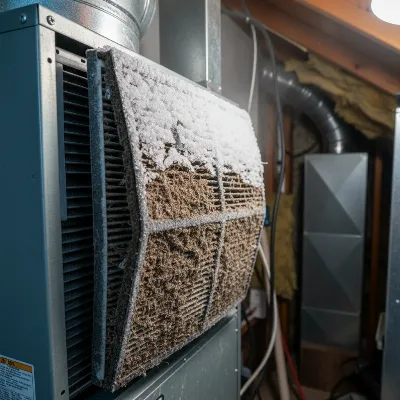 Frozen evaporator coils on an air conditioner with a visibly dirty air filter in the foreground, highlighting restricted airflow leading to ice buildup
Damaged or Rusted Drain Pan
|
Our Picks for the Best Air Conditioner in 2026
As an Amazon Associate I earn from qualifying purchases.
|
||
| Num | Product | Action |
|---|---|---|
| 1 | Evaporative Air Cooler with Remote & Timer, 2200+ CFM Portable Fan That Blows Cold Air for Large Room, Home Office, Bedroom - 2.1Gal High-Capacity Tank, 3 Modes, Whisper Quiet 30dB & Sleep Mode |

|
| 2 | 24" Windowless Portable Air Conditioner, 15H Timer & 120°Oscillation, 3-IN-1 Portable AC Unit with Remote, 2-Gal Tank, 3 Modes & 3 Speeds, Ultra-Quiet Ventless Swamp Cooler for Home Office, Off |
|
| 3 | Dreo Tower Fan for Bedroom, 2026 Upgraded DC Motor, 28ft/s High Velocity, 20dB Ultra Quiet Standing Fan, 8 Speeds 4 Modes, 90° Oscillating Bladeless Fan for Indoors, Floor Fans with Remote, Black |
|
| 4 | Windowless Portable Air Conditioners with Remote, Ventless Ac Unit Ductless Air Cooler,Hoseless Quiet Evaporative Oscillating Swamp Cooler,12H Timer & 4 Ice Box for Room Indoor Outdoor Office Bedroom |
|
| 5 | Dreo Tower Fan for Bedroom, 42 Inch 120° Oscillating Fan, 25dB Quiet DC Motor, 28ft/s Velocity Bladeless Standing Fan with 12 Speeds, 4 Modes, 12H Timer Cooling Fans for Home, Living Room |
|
| 6 | SereneLife Portable Swamp Cooler Air Conditioner - 2500 CFM Airflow, 8 Gallon Water Tank Portable Evaporative Air Cooler for Room & Outdoors, WiFi, Humidifier & Fan Modes, Ice Packs & Remote Included |
|
| 7 | BLACK+DECKER Window Air Conditioner 10000 BTU, AC Window Unit Cools Up to 450 Square Feet, Window AC Unit with Remote Control, 3 Cooling Speeds and Fan Only Function, BD10WT6, White |
|
| 8 | Windowless Portable Air Conditioner, 24.4" Small Evaporative Air Cooler for Room No Window, 3-Speed Settings, 4 Modes, 7H Timer, Remote Control, 4 Ice Packs, Quiet AC Unit for Bedroom, White |
|
| 9 | Midea 5,000 BTU EasyCool Small Window Air Conditioner - Cool up to 150 Sq. Ft. with Easy-to-Use Mechanical Controls and Reusable Filter, Perfect for Small Bedroom, Living Room, Home Office |
|
| 10 | Portable Air Conditioners, 3-IN-1 Swamp Cooler, Evaporative Air Cooler,Remote & Touch Control, 90°+90° Oscillation,LED Screen, Air Coolong Fan for Outdoor Indoor |
|
The condensate drain pan, typically made of plastic or metal, collects all the water that drips off the evaporator coil. In older units, these pans can corrode, crack, or rust due to constant exposure to water. A damaged pan cannot hold the condensation effectively, leading to leaks directly beneath or around the indoor unit.
If you observe water pooling directly underneath the AC unit’s base, a damaged drain pan is a strong possibility. While a temporary fix might involve patching small cracks with water sealant, the best long-term solution for a corroded or severely cracked pan is replacement. Regular inspection during routine maintenance can catch pan damage early.
Low Refrigerant Levels
Refrigerant is the chemical compound that absorbs heat from your indoor air. If your air conditioner has low refrigerant levels, usually due to a leak in the refrigerant lines, the evaporator coil will not absorb enough heat and will become excessively cold, causing it to freeze over. Similar to dirty filters, when this ice melts, it results in an overflow of water from the drain pan.
Beyond leaks, low refrigerant often manifests as the AC running constantly but failing to cool your home effectively, or producing weak airflow. You might also hear a hissing or bubbling sound, which could indicate a refrigerant leak. Handling refrigerants is dangerous and requires specialized equipment and certification; therefore, if you suspect low refrigerant, it is essential to contact a professional HVAC technician for diagnosis and repair.
Improper Installation or Unit Leveling
Proper installation is critical for the efficient and leak-free operation of an air conditioner. If the indoor unit or its drain lines are not correctly leveled or installed with the appropriate slope, water will not drain efficiently. This can cause water to pool where it shouldn’t, leading to overflows and leaks inside your home. Improperly sealed connections can also allow water to escape.
Leaks due to improper installation might have been present since the unit was first installed or become more noticeable over time as components settle. For window units, an incorrect tilt, where the unit is perfectly flat or tilted inward, will cause water to drip indoors rather than outside. Correcting installation issues often requires professional expertise to ensure the unit is appropriately leveled and sealed.
Condensate Pump Malfunction
In some AC systems, particularly those installed in basements or attics where gravity cannot effectively drain water outside, a condensate pump is used to push the collected water through the drain line. If this pump malfunctions or breaks, water will accumulate in the drain pan and overflow.
A failing condensate pump might make unusual noises, or you may notice that it’s not activating when it should be, despite a full reservoir. If your AC system relies on a condensate pump and you observe water pooling around it or the unit shutting off intermittently (due to a safety switch), a pump failure is likely. Professional repair or replacement of the pump is necessary in such cases.
Immediate Steps When Your AC Is Leaking
When you discover your air conditioner is leaking water, prompt action can prevent further damage and help diagnose the issue.
- Turn Off the Power: Immediately shut off your AC unit at the thermostat and, if possible, switch off the power to the unit at your home’s main electrical panel or breaker box. This prevents more water from accumulating and eliminates any electrical hazards.
- Clean Up the Water: Use towels, a wet/dry vacuum, or mops to thoroughly clean up any standing water to prevent floor damage, structural issues, and mold growth.
- Inspect for Obvious Causes: Check your air filter and replace it if it’s dirty. Visually inspect the condensate drain line for visible clogs at its access point or where it exits your home. Look for standing water in the drain pan.
- When to Call a Professional: While some minor issues like a dirty filter or a simple drain line clog can be DIY fixes, more complex problems such as low refrigerant, a cracked drain pan, or improper installation require the expertise of a certified HVAC technician. If you’re unsure of the cause or uncomfortable performing repairs, it’s always best to consult a professional to ensure safety and effective repair.
Preventing Future Air Conditioner Leaks
Proactive maintenance is the best defense against recurring AC water leaks and helps ensure the longevity and efficiency of your cooling system.
- Schedule Regular Professional Maintenance: Have your air conditioner inspected and serviced by an HVAC professional at least once a year, ideally before the cooling season begins. Technicians can identify potential issues early, clean components, and ensure proper drainage.
- Change Air Filters Consistently: Make it a habit to check your air filter monthly and replace it every 1 to 3 months. A clean filter ensures optimal airflow, prevents coils from freezing, and improves indoor air quality.
- Flush the Condensate Drain Line: Periodically pour a cup of distilled vinegar mixed with water down your condensate drain line’s access point. This helps inhibit the growth of mold and algae that can cause clogs.
- Consider a Float Switch: Installing a float switch in your condensate pan provides an extra layer of protection. If water levels rise due to a blockage or malfunction, the float switch will automatically shut off your AC unit, preventing an overflow before it can cause significant damage.
“Many homeowners overlook the simple task of changing their AC filters, yet it’s one of the most impactful things you can do to prevent costly repairs and maintain system efficiency. Regular filter replacement can save you from a host of issues, including troublesome water leaks.” – John Davis, HVAC Master Technician
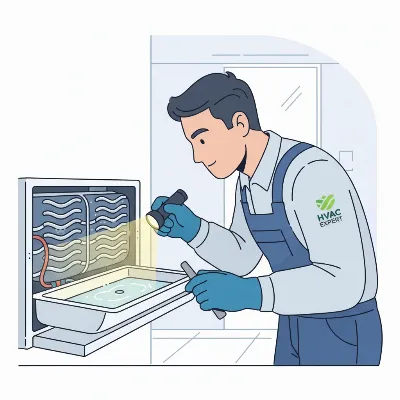 An HVAC technician performing maintenance on an indoor air conditioner unit, checking components and cleaning parts
Conclusion
An air conditioner leaking water inside your home is more than just an inconvenience; it’s a clear signal that something isn’t quite right within your cooling system. From clogged drain lines and dirty air filters to more significant issues like damaged drain pans or low refrigerant, understanding these common causes empowers you to act quickly. While some minor problems can be addressed with simple DIY fixes, knowing when to call a professional is crucial for safety and effective repair. By prioritizing regular maintenance and promptly addressing any signs of trouble, you can protect your home from water damage, ensure optimal AC performance, and enjoy consistent indoor comfort throughout the year. Don’t let a small drip turn into a major headache; what steps will you take today to secure your home against AC leaks?
Frequently Asked Questions
Why does my AC unit produce water in the first place?
Your AC unit produces water as a natural part of the cooling process called condensation. As warm, humid air from your home passes over the cold evaporator coil, moisture condenses into liquid water, which then drips into a drain pan. This process helps dehumidify your indoor air.
Is it safe to run an AC unit that is leaking water?
No, it is generally not safe to run an AC unit that is leaking water. Continuing to operate a leaking unit can worsen the underlying problem, leading to significant water damage to your home's structure and potentially creating electrical hazards. It can also promote mold growth, negatively impacting indoor air quality.
How often should I clean my AC condensate drain line?
It is recommended to inspect your AC drain line annually as part of your routine maintenance. To prevent clogs, you can flush the drain line with a mixture of distilled vinegar and water every few months, especially during seasons of heavy AC use. Professional cleaning during annual servicing is ideal for thorough maintenance.
Can a dirty air filter really cause my AC to leak water?
Yes, a dirty air filter is a common cause of AC leaks. A clogged filter restricts airflow over the evaporator coil, causing the coil to get too cold and freeze. When this ice melts, the excess water can overflow the drain pan, leading to leaks. Regular filter replacement every 1-3 months is crucial for preventing this.
What are the immediate steps to take when an AC is leaking?
When your AC is leaking, immediately turn off the power to the unit at the thermostat and electrical panel to prevent further water accumulation and electrical hazards. Clean up any standing water to prevent damage and mold. Then, inspect for obvious causes like a dirty air filter or a visible clog in the condensate drain line.
When should I call a professional for an AC water leak?
You should call a professional HVAC technician for an AC water leak if you suspect complex problems like low refrigerant levels, a cracked drain pan, or improper unit installation. While minor issues like a dirty filter or simple drain line clog can be DIY fixes, professional expertise ensures safety and effective repair for more serious problems.
Stop Your AC From Leaking Water
Follow these steps to address an air conditioner leaking water inside your home and prevent further damage.
Immediately shut off your AC unit at the thermostat. For added safety, switch off the power to the unit at your home's main electrical panel or breaker box. This prevents more water from accumulating and eliminates any electrical hazards.
Use towels, a wet/dry vacuum, or mops to thoroughly clean up any standing water. This prevents floor damage, structural issues, and mold growth, which can develop quickly in damp environments.
Check your air filter and replace it if it's dirty, as this is a common cause of leaks. Visually inspect the condensate drain line for visible clogs at its access point or where it exits your home. Also, look for standing water in the drain pan.
If the leak persists after checking basic issues, or if you suspect problems like low refrigerant, a cracked drain pan, or improper installation, contact a certified HVAC technician. These issues require specialized tools and expertise for safe and effective repair.
Get our weekly buyer guide
Practical specs, not advice. Unsubscribe anytime.

Had a persistent leak and was worried about major damage. The explanation about low refrigerant levels causing freezing and then overflow made a lot of sense for my situation. I ended up needing a professional to top it off, but at least I knew what to tell them. Saved me some diagnostic fees.
I was so frustrated with my AC leaking water all over my floor. This guide really helped me figure out it was a clogged condensate drain line. I followed the steps to clear it out, and no more puddles! Such a relief to not have to call a technician.
My unit was dripping pretty consistently, and I thought it was the drain pan for sure. Turns out it was actually just a really dirty air filter causing the coils to freeze up. The tips were good, but I wish there was a bit more emphasis on checking the filter first, as that was a super easy fix.
This was incredibly helpful! My AC started leaking after we had it installed last year, and I suspected it might be an improper installation issue. The details here confirmed my suspicions, and I was able to explain it clearly to the company that installed it. They came back and fixed it properly, no more leaks!