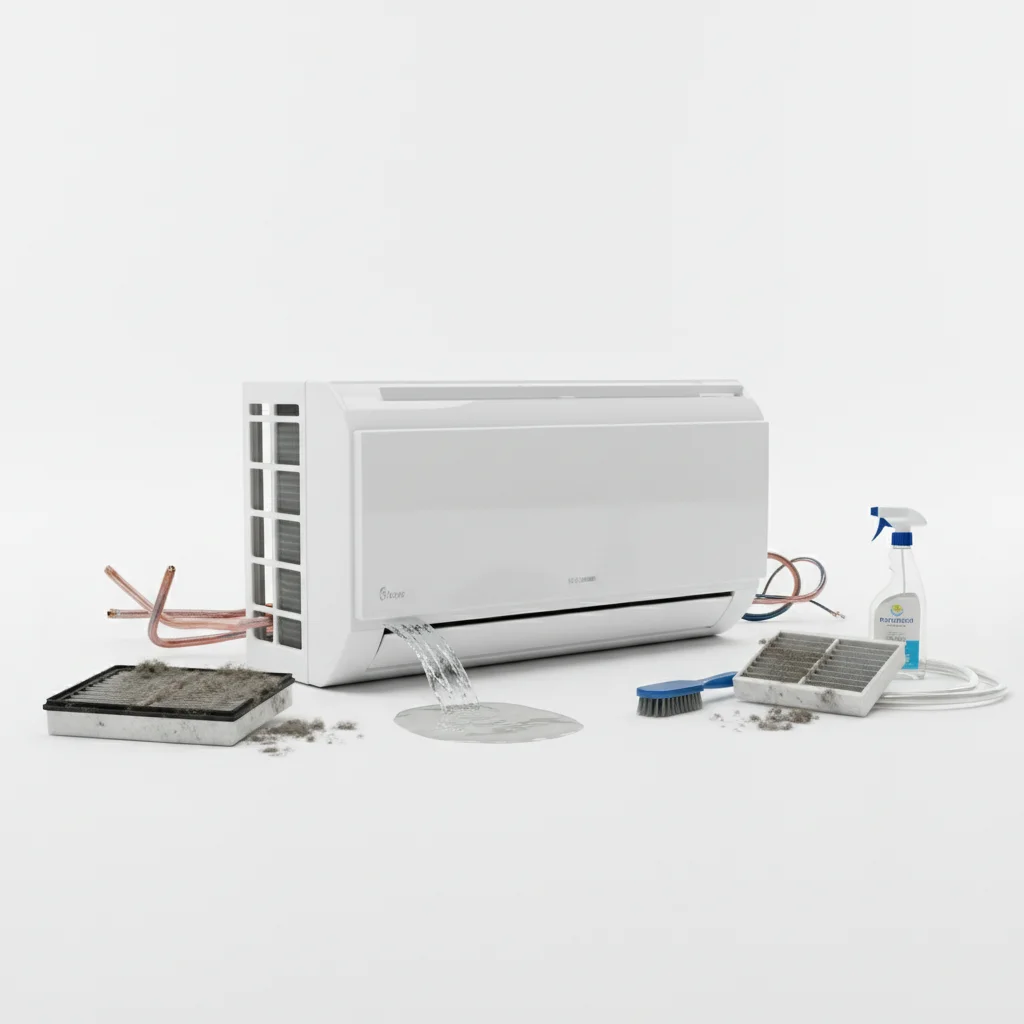
If your air conditioner isn’t cooling effectively after a recent cleaning, there are five common reasons why this might be happening. While cleaning is essential for optimal performance, sometimes it can inadvertently lead to new issues or reveal existing ones. Understanding these potential problems can help you diagnose and resolve the lack of cooling, restoring your home’s comfort.
Improper Reassembly or Loose Connections
One of the most frequent culprits for an AC not cooling after cleaning is improper reassembly or loose connections. During the cleaning process, components like filters, coils, and drain pans are often removed. If these parts aren’t put back correctly, or if electrical connections become loose, the unit won’t function as intended. For instance, a misaligned filter can restrict airflow, while a disconnected sensor might prevent the compressor from engaging. Always double-check that all components are securely in place and any wires are firmly connected after cleaning.
Blocked Condensate Drain Line
Even after cleaning, a blocked condensate drain line can prevent your AC from cooling. While you might have cleaned the pan, a clog further down the line can cause water to back up, triggering a float switch that shuts down the unit to prevent overflow. This safety mechanism, while important, will stop the cooling process. Common culprits for blockages include algae, mold, and debris that weren’t fully cleared during the initial cleaning. A simple flush with a vinegar solution can often resolve this issue.
Refrigerant Leak or Low Levels
|
Our Picks for the Best Air Conditioner in 2026
As an Amazon Associate I earn from qualifying purchases.
|
||
| Num | Product | Action |
|---|---|---|
| 1 | Dreo Tower Fan for Bedroom, 2026 Upgraded DC Motor, 28ft/s High Velocity, 20dB Ultra Quiet Standing Fan, 8 Speeds 4 Modes, 90° Oscillating Bladeless Fan for Indoors, Floor Fans with Remote, Black |

|
| 2 | Windowless Portable Air Conditioner, 24.4" Small Evaporative Air Cooler for Room No Window, 3-Speed Settings, 4 Modes, 7H Timer, Remote Control, 4 Ice Packs, Quiet AC Unit for Bedroom, White |
|
| 3 | Windowless Portable Air Conditioners with Remote, Ventless Ac Unit Ductless Air Cooler,Hoseless Quiet Evaporative Oscillating Swamp Cooler,12H Timer & 4 Ice Box for Room Indoor Outdoor Office Bedroom |
|
| 4 | 24" Windowless Portable Air Conditioner, 15H Timer & 120°Oscillation, 3-IN-1 Portable AC Unit with Remote, 2-Gal Tank, 3 Modes & 3 Speeds, Ultra-Quiet Ventless Swamp Cooler for Home Office, Off |
|
| 5 | Portable Air Conditioners, 3-IN-1 Swamp Cooler, Evaporative Air Cooler,Remote & Touch Control, 90°+90° Oscillation,LED Screen, Air Coolong Fan for Outdoor Indoor |
|
| 6 | Dreo Tower Fan for Bedroom, 42 Inch 120° Oscillating Fan, 25dB Quiet DC Motor, 28ft/s Velocity Bladeless Standing Fan with 12 Speeds, 4 Modes, 12H Timer Cooling Fans for Home, Living Room |
|
| 7 | SereneLife Portable Swamp Cooler Air Conditioner - 2500 CFM Airflow, 8 Gallon Water Tank Portable Evaporative Air Cooler for Room & Outdoors, WiFi, Humidifier & Fan Modes, Ice Packs & Remote Included |
|
| 8 | Midea 5,000 BTU EasyCool Small Window Air Conditioner - Cool up to 150 Sq. Ft. with Easy-to-Use Mechanical Controls and Reusable Filter, Perfect for Small Bedroom, Living Room, Home Office |
|
| 9 | BLACK+DECKER Window Air Conditioner 10000 BTU, AC Window Unit Cools Up to 450 Square Feet, Window AC Unit with Remote Control, 3 Cooling Speeds and Fan Only Function, BD10WT6, White |
|
| 10 | Evaporative Air Cooler with Remote & Timer, 2200+ CFM Portable Fan That Blows Cold Air for Large Room, Home Office, Bedroom - 2.1Gal High-Capacity Tank, 3 Modes, Whisper Quiet 30dB & Sleep Mode |
|
A cleaning process, especially if it involved moving or jostling the unit, can sometimes exacerbate an existing, minor refrigerant leak or reveal that your system was already low on refrigerant. Refrigerant is the lifeblood of your AC, absorbing heat from your home and releasing it outside. If levels are too low, the unit simply cannot cool effectively, regardless of how clean it is. Signs of a refrigerant leak include hissing sounds, ice on the coils, and a noticeable decrease in cooling power. This issue typically requires a professional to diagnose and repair.
- Check for visible signs of damage to refrigerant lines.
- Listen for any unusual hissing or bubbling noises.
- Feel the air coming from the vents; it should be consistently cold.
- Consider if the unit has been cooling poorly for a while, even before cleaning.
- Note if ice is forming on the indoor or outdoor unit’s coils.
Dirty or Damaged Evaporator Coils
While you might have focused on cleaning the outdoor condenser coils, the indoor evaporator coils are equally crucial. If these coils remain dirty or become damaged during the cleaning process, your AC’s ability to absorb heat from your indoor air will be severely compromised. Dust, grime, and mold can accumulate on evaporator coils, forming an insulating layer that prevents efficient heat transfer. Ensure these coils are gently cleaned with a specialized coil cleaner, taking care not to bend the delicate fins.
Faulty Thermostat or Sensor Issues
Sometimes, the problem isn’t with the AC unit itself but with its control system. A faulty thermostat or a miscalibrated temperature sensor can lead to your air conditioner not cooling properly after cleaning. If the thermostat isn’t accurately reading the room temperature, it might not signal the AC to run long enough or at the correct setting. Similarly, if a sensor was dislodged or damaged during cleaning, it could send incorrect data to the unit’s control board, leading to inefficient operation. Check your thermostat settings and ensure any visible sensors are clean and properly positioned.
Get our weekly buyer guide
Practical specs, not advice. Unsubscribe anytime.
