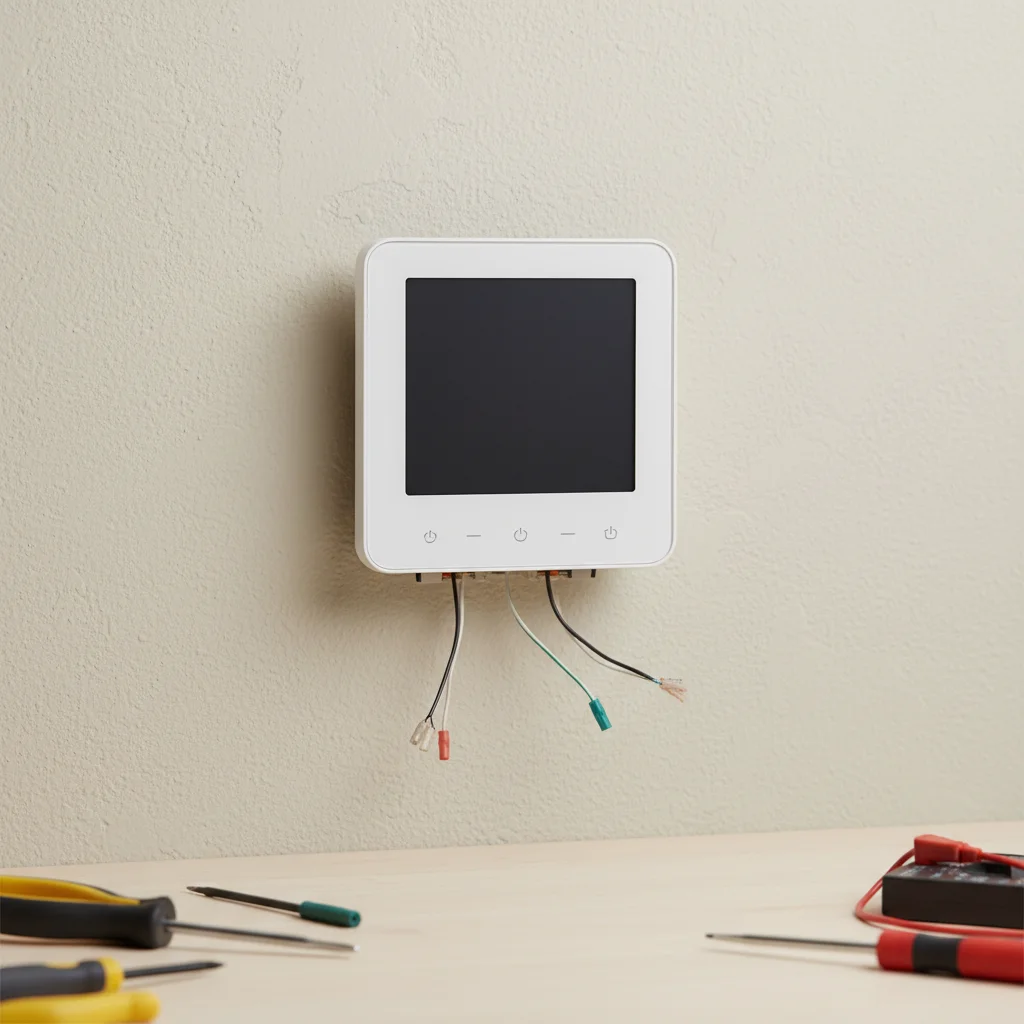
When your air conditioner thermostat isn’t working, it can be a frustrating experience, leaving you in an uncomfortable environment. There are five common reasons why your thermostat might be malfunctioning, ranging from simple battery issues to more complex wiring problems. Understanding these potential causes can help you troubleshoot the issue effectively and determine whether a DIY fix is possible or if professional help is needed.
Check the Batteries
One of the most frequent culprits behind a non-responsive thermostat is dead or low batteries. Many modern thermostats, especially programmable and smart models, rely on batteries for their operation, even if they are also hardwired. If your thermostat screen is blank, dim, or displaying a low battery indicator, replacing the batteries is the first and easiest step. Most thermostats use AA or AAA batteries, and the process typically involves opening a small compartment on the front or side of the unit. Ensure you insert the new batteries correctly, observing the polarity markings.
Inspect the Circuit Breaker
If your thermostat has no power and replacing batteries doesn’t help, the issue might lie with your home’s electrical system. A tripped circuit breaker can cut power to your entire HVAC system, including the thermostat. Locate your electrical panel and check for any breakers that are in the ‘off’ position or halfway between ‘on’ and ‘off’. Flip any tripped breakers completely off and then back on. If the breaker trips again immediately, there’s a deeper electrical problem that requires a qualified electrician to diagnose and repair.
Examine the Wiring Connections
Loose or corroded wiring can prevent your thermostat from communicating properly with your air conditioner. Before attempting to check the wiring, always turn off the power to your HVAC system at the circuit breaker to avoid electrical shock. Carefully remove the thermostat from its base plate, exposing the wires connected to the terminals. Look for any wires that appear loose, frayed, or corroded. Gently tighten any loose screws holding the wires in place. If you notice significant corrosion, it might be necessary to clean the wire ends or replace the affected wires. If you are uncomfortable with electrical work, it’s best to call a professional.
Clean Internal Components
|
Our Picks for the Best Air Conditioner in 2026
As an Amazon Associate I earn from qualifying purchases.
|
||
| Num | Product | Action |
|---|---|---|
| 1 | Windowless Portable Air Conditioner, 24.4" Small Evaporative Air Cooler for Room No Window, 3-Speed Settings, 4 Modes, 7H Timer, Remote Control, 4 Ice Packs, Quiet AC Unit for Bedroom, White |

|
| 2 | Windowless Portable Air Conditioners with Remote, Ventless Ac Unit Ductless Air Cooler,Hoseless Quiet Evaporative Oscillating Swamp Cooler,12H Timer & 4 Ice Box for Room Indoor Outdoor Office Bedroom |
|
| 3 | 24" Windowless Portable Air Conditioner, 15H Timer & 120°Oscillation, 3-IN-1 Portable AC Unit with Remote, 2-Gal Tank, 3 Modes & 3 Speeds, Ultra-Quiet Ventless Swamp Cooler for Home Office, Off |
|
| 4 | Midea 5,000 BTU EasyCool Small Window Air Conditioner - Cool up to 150 Sq. Ft. with Easy-to-Use Mechanical Controls and Reusable Filter, Perfect for Small Bedroom, Living Room, Home Office |
|
| 5 | Dreo Tower Fan for Bedroom, 42 Inch 120° Oscillating Fan, 25dB Quiet DC Motor, 28ft/s Velocity Bladeless Standing Fan with 12 Speeds, 4 Modes, 12H Timer Cooling Fans for Home, Living Room |
|
| 6 | Dreo Tower Fan for Bedroom, 2026 Upgraded DC Motor, 28ft/s High Velocity, 20dB Ultra Quiet Standing Fan, 8 Speeds 4 Modes, 90° Oscillating Bladeless Fan for Indoors, Floor Fans with Remote, Black |
|
| 7 | Evaporative Air Cooler with Remote & Timer, 2200+ CFM Portable Fan That Blows Cold Air for Large Room, Home Office, Bedroom - 2.1Gal High-Capacity Tank, 3 Modes, Whisper Quiet 30dB & Sleep Mode |
|
| 8 | SereneLife Portable Swamp Cooler Air Conditioner - 2500 CFM Airflow, 8 Gallon Water Tank Portable Evaporative Air Cooler for Room & Outdoors, WiFi, Humidifier & Fan Modes, Ice Packs & Remote Included |
|
| 9 | Portable Air Conditioners, 3-IN-1 Swamp Cooler, Evaporative Air Cooler,Remote & Touch Control, 90°+90° Oscillation,LED Screen, Air Coolong Fan for Outdoor Indoor |
|
| 10 | BLACK+DECKER Window Air Conditioner 10000 BTU, AC Window Unit Cools Up to 450 Square Feet, Window AC Unit with Remote Control, 3 Cooling Speeds and Fan Only Function, BD10WT6, White |
|
Dust and debris can accumulate inside your thermostat over time, interfering with its sensors and electrical contacts. Again, ensure the power is off before opening the thermostat. Use a soft brush or compressed air to gently clean the internal components, paying close attention to the mercury switch (if present) and any visible sensors. Avoid touching the components directly with your fingers, as oils can leave residues. This simple cleaning can often resolve erratic temperature readings or unresponsive controls.
Consider Thermostat Calibration Issues
Sometimes, a thermostat might appear to be working, but it’s not accurately reading the room temperature, leading to your AC running too much or too little. This can be a calibration issue. For older, non-digital thermostats, there might be a small calibration screw you can adjust. For digital and smart thermostats, calibration is often done through the settings menu or can be self-calibrating. If your thermostat consistently shows a temperature significantly different from a reliable thermometer placed nearby, consult your thermostat’s manual for specific calibration instructions. If calibration doesn’t resolve the discrepancy, the thermostat sensor might be faulty and require replacement.
- Ensure the thermostat is level on the wall for accurate readings.
- Avoid placing lamps or electronics near the thermostat that generate heat.
- Keep direct sunlight from hitting the thermostat, which can skew readings.
- Regularly clean the area around the thermostat to prevent dust buildup.
- Update smart thermostat firmware for optimal performance and bug fixes.
If after trying these five common fixes your air conditioner thermostat is still not working, it’s likely time to call a professional HVAC technician. They have the specialized tools and expertise to diagnose more complex issues, such as a faulty control board in the AC unit itself, a short in the wiring, or a completely failed thermostat that needs replacement. Investing in a professional diagnosis can save you time and prevent further damage to your cooling system.
Get our weekly buyer guide
Practical specs, not advice. Unsubscribe anytime.
